
Ready Possession vs Under Construction Flats
 By City One
 Prerendered
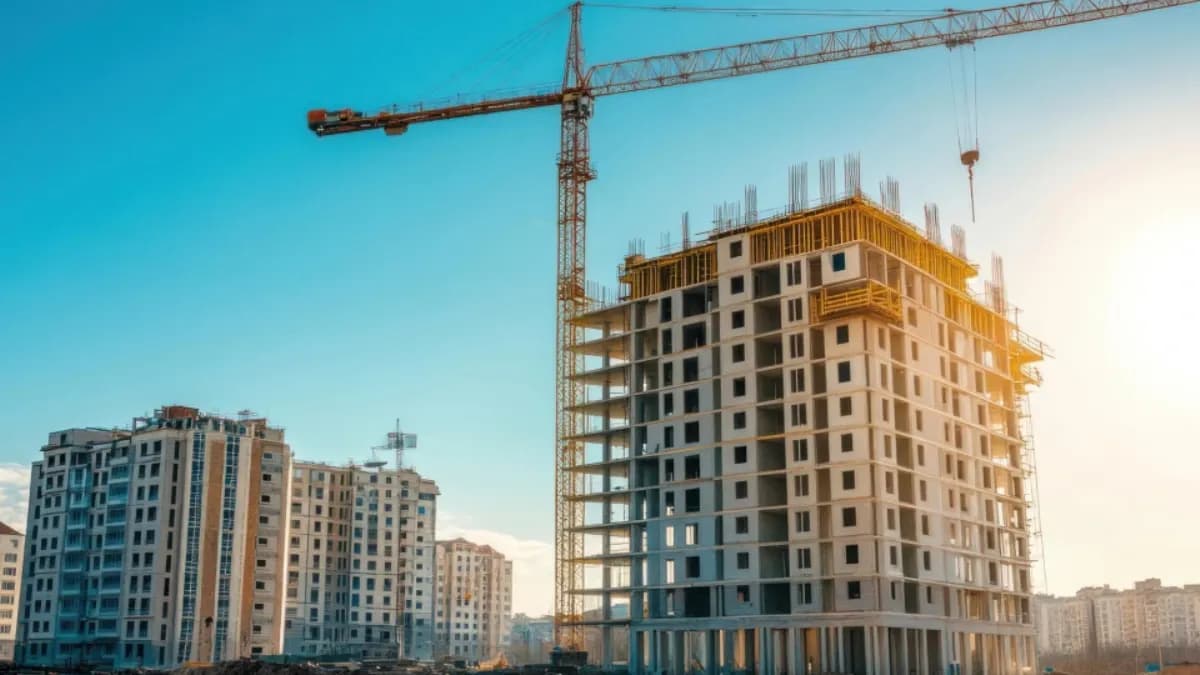
Imagine finding two homes that match your expectations. One is complete and ready for you to move in. The other is still under construction but offers the opportunity to plan your purchase over time. Which one makes better financial and practical sense?
This is one of the most important decisions facing homebuyers today. The choice between ready possession vs. under-construction flats involves more than possession dates or property prices. It affects your cash flow, home loan, rental expenses and the level of uncertainty you are comfortable accepting.
Which is better, ready-possession or under-construction flats?
Ready-possession flats suit buyers seeking quicker occupancy and greater certainty, while under-construction flats may suit those seeking phased payments, more choices and flexibility to wait.
Understanding the advantages and limitations of both options can help you make a confident homebuying decision.
What Is a Ready-Possession Flat?
A ready-possession flat is a completed residential unit that can be occupied once the necessary approvals, documentation and handover formalities are fulfilled.
Unlike a property that is merely nearing completion, a genuinely ready-to-occupy home should have the applicable Occupancy Certificate (OC) covering the relevant building or portion.
This distinction matters because visible construction completion does not automatically establish legal readiness for occupation.
One of the biggest advantages of ready-to-move flats is the opportunity to inspect the actual apartment, common areas and available amenities before purchasing.
What Is an Under-Construction Flat?
An under-construction flat is a residential property purchased before the building or apartment is fully completed.
Buyers typically select their preferred configuration, review the proposed layout and enter into an agreement based on the developer's specifications and possession commitments.
Many projects offer construction-linked payment plans, where instalments become payable at specified construction milestones.
However, buyers must understand that the final home may not yet be available for physical inspection. Construction progress, project approvals, MahaRERA disclosures and the developer's delivery record therefore become particularly important.
Ready Possession vs Under-Construction Flats: Key Differences
Understanding the difference between ready possession and under-construction flats helps buyers evaluate both options more objectively.
Possession and Inspection
Ready-possession homes generally allow buyers to inspect the completed apartment and take possession after the required formalities.
Under-construction homes are delivered later according to the agreed timeline. Buyers may initially depend on floor plans, specifications and sample apartments.
Payment and Financial Planning
Ready homes may require a larger payment within a shorter period.
Under-construction properties may provide stage-linked payment schedules, allowing buyers to distribute payments across construction milestones.
Construction and Delivery Risk
A completed apartment generally carries lower construction-completion uncertainty.
Under-construction developments remain exposed to possible delays, changes and execution challenges.
GST and Tax Treatment
Qualifying sales of completed property after the applicable completion certificate or first occupation are generally outside GST on construction services.
Qualifying under-construction property transactions generally attract GST according to applicable provisions.
Rental Potential and Unit Selection
Ready homes may become available for rental use sooner after possession and formalities.
Under-construction projects may offer a wider selection of floors or layouts during earlier sales stages, although rental income must wait until the property becomes usable.
Advantages and Disadvantages of Ready-Possession Flats
Advantages of Ready-Possession Flats
The biggest benefit is certainty. Buyers can see what they are purchasing rather than imagining the final result.
Key advantages include:
- Quicker occupancy after necessary formalities
- Opportunity to inspect the actual apartment and common areas
- Lower uncertainty regarding construction completion
- Potential to reduce the period of paying rent alongside home loan obligations
For families relocating because of work, education or changing household needs, these benefits can be especially valuable.
Disadvantages of Ready-Possession Flats
Ready homes may involve a higher immediate financial commitment because a substantial portion of the purchase price becomes payable sooner.
Available inventory may also limit the choice of floors, views or apartment orientations.
Customisation opportunities are generally fewer once construction is complete. Buyers should additionally inspect the property for wear, maintenance concerns and any existing society-related obligations.
Advantages and Disadvantages of Under-Construction Flats
Advantages of Under-Construction Flats
For buyers who do not need immediate possession, under-construction properties can offer useful planning flexibility.
Potential advantages include:
- Lower initial pricing in some projects
- Construction-linked payment options
- Greater unit selection during early project stages
- Time to plan finances and future relocation
Certain buyers may also prefer having more time to arrange interiors, organise savings and prepare for the eventual move.
However, lower pricing is not guaranteed and property appreciation should never be assumed.
Disadvantages of Under-Construction Flats
The most significant concern is uncertainty surrounding completion and possession.
Delays may affect relocation plans while buyers continuing to live in rented accommodation could face overlapping rental and loan-related expenses.
The completed apartment may also differ from initial expectations within the limits of the agreement and applicable law.
Buyers should therefore carefully examine construction progress, specifications, developer credibility and total financial commitments.
Which Option Is More Cost-Effective?
The cheaper-looking property is not necessarily the more affordable one.
When comparing ready-possession flats vs under-construction flats, calculate the total cost of ownership rather than relying only on the advertised base price.
1. Property Price and Carpet Area
Compare the base price against the RERA carpet area to understand the effective cost per square foot of usable space.
2. GST and Statutory Charges
Account for applicable GST, stamp duty and registration charges.
Under GST principles, construction-service tax treatment generally differs between qualifying under-construction sales and transactions where the entire consideration is received after the applicable completion certificate or first occupation, whichever is earlier.
Confirm the exact tax treatment for your transaction with an appropriate professional.
3. Additional Property Charges
Review parking charges where applicable, maintenance deposits, floor-rise charges and other costs specified in the agreement.
4. Rent and Home Loan Expenses
For an under-construction property, calculate rent during the waiting period along with pre-EMI or EMI commitments.
For a ready home, assess the immediate loan repayment burden and available savings.
5. Interiors and Repairs
Include furniture, interiors, appliances and any immediate repairs or modifications.
Total ownership cost = Property price + applicable taxes + registration + additional charges + financing costs + rent during the waiting period + interior expenses.
This approach helps buyers understand which option is genuinely suitable for their financial position.
Which Type of Flat Is Better for Different Buyers?
First-Time Homebuyers
First-time buyers should prioritise affordability, manageable monthly commitments and financial certainty.
A ready home may simplify possession planning while an under-construction property may provide payment flexibility.
Families Needing to Relocate
Families with immediate relocation requirements may find ready-possession homes more practical because they can evaluate the completed space and plan their move sooner.
Property Investors
Investors should compare rental commencement dates, acquisition costs, local demand, maintenance expenses and holding periods.
Neither option guarantees rental returns or appreciation.
NRI Homebuyers
NRIs should consider documentation, remote inspections, property management and the reliability of possession commitments.
A completed apartment can make physical verification easier, while under-construction purchases require careful monitoring of progress.
Long-Term Planners
Buyers who can comfortably wait may consider under-construction homes after evaluating the developer's track record, registered timeline and financial risks.
Checklist Before Buying Either Type of Flat
Whether purchasing a completed apartment or investing in a future home, these seven checks are essential.
- Verify MahaRERA: Check project registration and available disclosures on the official regulatory portal.
- Confirm possession: Review the agreed possession date and any recorded extensions.
- Inspect the property: For completed developments, verify the applicable OC and inspect the actual apartment.
- Review documentation: Examine title-related documents, sanctioned plans and the agreement for sale with appropriate professional assistance.
- Calculate total cost: Include taxes, statutory charges, financing and additional expenses.
- Evaluate the developer: Review construction progress, previous projects and delivery history.
- Confirm handover details: Obtain written clarity on amenities, parking, maintenance and possession procedures.
For projects in Maharashtra, MahaRERA records provide an important starting point for independent verification.
Frequently Asked Questions
Is ready possession better than under construction?
Neither is universally better because the right choice depends on your possession requirements, budget, financial commitments and tolerance for construction-related uncertainty.
Are under-construction flats cheaper?
They may offer lower initial prices, but buyers must compare GST, financing costs, rental expenses during construction and other applicable charges.
Do ready-possession flats attract GST?
Qualifying sales after the applicable completion certificate or first occupation are generally outside GST on construction services, subject to the transaction's specific circumstances.
What is the biggest risk of buying an under-construction flat?
Delayed possession is a major risk, making it essential to review construction progress, project approvals, registered timelines and the developer's delivery record.
What documents should I check before buying a ready flat?
Verify the applicable OC, title documents, sale agreement or deed, sanctioned plans, outstanding dues and other relevant property records.
Conclusion
The decision between ready possession vs. under-construction flats ultimately depends on what matters most to you: immediate usability, financial flexibility, certainty or the ability to plan for a future home.
City One offers residential developments across Pune and PCMC, including projects such as V-One Heartland, City One Panache 2.0, City One Vieorra and City One Vezdaa. Buyers should verify the current construction and possession status of each development individually rather than assuming every project is at the same stage.
Explore City One's residential offerings, compare available configurations and connect with the team for current project details through the official website: https://city1.co.in/.